This article explores how integrating traditional courtesies and cultural protocols into Indigenous language education fosters ethics of care and respect, enhancing both learning outcomes and community cohesion.
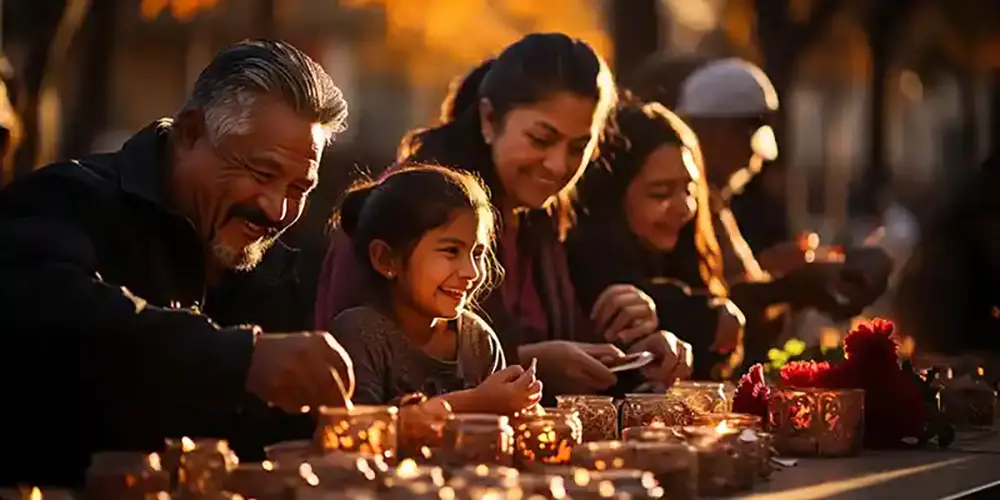
Historical Context and Cultural Representation
From the Diné to the Shoshone people, traditional courtesies such as greetings, ceremonies and gift exchanges serve as cornerstones of Indigenous life. These practices, which vary between tribes, share common principles—interconnectedness and respect for spirituality, nature, elders, and community well-being. For example, offering tobacco when entering a home remains a profound expression of respect and trust across many Indigenous cultures. Such traditions are integrated into educational curricula by programs like Languages 4™, demonstrating how cultural protocols can enrich language learning.
The Role of Cultural Protocols in Language Education
Leaning into land-based education methodologies, integrating traditional courtesies and protocols into language education transforms language learning from abstract exercises into dynamic discussions that reflect the students’ daily realities. Land-Based educational programs use culturally relevant materials—like local stories, prayers, symbols, and vocabulary—to ensure that the language resonates with the students’ lived experiences. This approach makes the language learning process more engaging and grounds the students in their cultural identity, which is vital for reclaiming and revitalizing Indigenous languages.
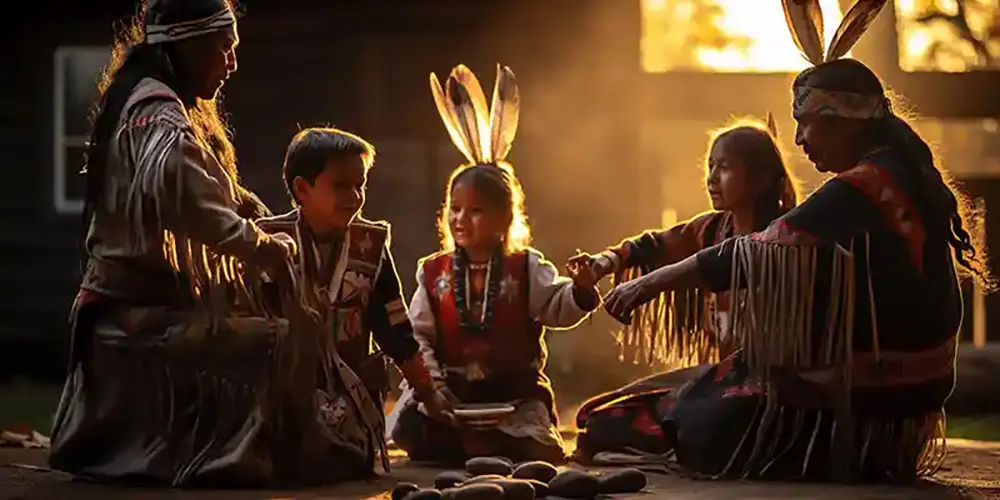
Respectful Examples of Traditional Courtesies
- Offering Gifts: Such as tobacco or small handmade items, to hosts or elders as a sign of respect and honor.
- Soft Spoken Words: Such as tobacco or small handmade items, to hosts or elders as a sign of respect and honor.
- Physical Gestures: Avoiding direct eye contact as a sign of respect in some cultures or not walking between people conversing.
- Acknowledging Territory: Avoiding direct eye contact as a sign of respect in some cultures or not walking between people conversing.
- Listening Practices: Prioritizing listening over speaking and giving full attention to the speaker, reflecting deep respect, and valuing their words.
Understanding Diversity and Relevance of Protocols
“Native protocol is not difficult or complicated, it requires only common sense. Knowing that it exists is the way to begin the process. But there aren’t just ‘Indian’ people in North America, there are many Nations. Each has a different language, different environment, and a different culture. Begin with a basic understanding of protocol and then realize that there are protocols unique to each nation.” - Unknown Author
Negative Consequences of Cultural Disconnect
When educational programs fail to incorporate or respect these cultural protocols sincerely, it can lead to misunderstandings, mistrust, and a disconnection from the academic content, undermining the learning process. Misalignments, such as ignoring local customs or imposing external values, can alienate Indigenous communities, leading to a loss of interest and engagement in the educational programs designed to benefit them.
Conclusion
Thoughtful incorporation of Indigenous lifeways, values, and everyday realities into language education, through land-based educational methods, is crucial for educational success. Programs like Languages 4™ exemplify this approach by creating immersive learning environments that respect and uplift Indigenous linguistic and cultural identities. This method preserves linguistic heritage and enhances language acquisition, making it a lived experience rather than a mere academic pursuit.
Connect With Us
Follow our journey, share your thoughts, and participate in the conversation. Let’s keep languages vibrant together.
Languages 4™ is more than a tool; it’s a partner in the mission of preserving and revitalizing Indigenous languages. We invite reach out to us explore how our platform can support your language teaching goals. [Join the Conversation 📩 Subscribe to our Newsletter ] and take a step towards sustaining the rich heritage of Indigenous languages.
Tagged:
By Tim O'Hagan
Related Articles

Ecosystems and Stewardship: Integrating Indigenous Ecological Wisdom into Language Education
This article explores how Indigenous ecological wisdom, such as traditional land management and agricultural practices, can be integrated into language education to enhance cultural identity and environmental stewardship.
Land-Based Education: Integrating Indigenous Knowledge and Language Revitalization
This article discusses how land-based education serves as a powerful framework for Indigenous language revitalization by integrating cultural identity, ecosystems, and the ethics of care and respect into the learning process.

Voices Heard, Lessons Learned: One Year Into the Languages 4 Journey
Reflecting on a year of language reclamation efforts, Languages 4 shares key lessons, challenges, and future directions in their mission to empower Indigenous communities through language revitalization.