This article discusses how land-based education serves as a powerful framework for Indigenous language revitalization by integrating cultural identity, ecosystems, and the ethics of care and respect into the learning process.
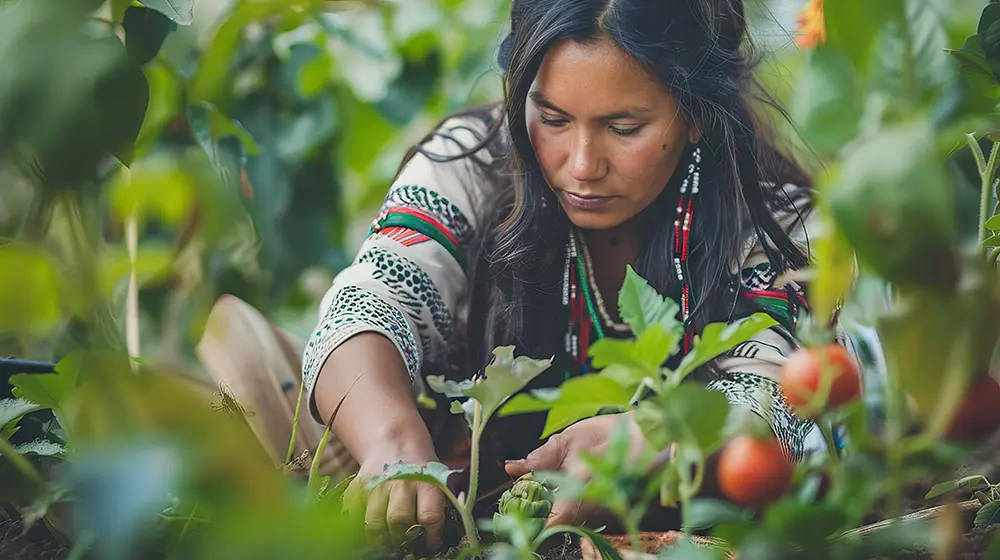
“Indigenous land-based education is its own paradigm based on Indigenous worldviews and beliefs and the passing on of knowledge to one another and to the next generation,” Dr Alex Wilson, Opaskwayak Cree Nation says. “It is also a form of understanding our place within, and our responsibility to, the wider universe.” Land as teacher: understanding Indigenous land-based education
Within this framework, the intersections of land, culture, and language provide invaluable learning pathways for language revitalization projects. The relationship with the land, nature, and the spiritual world serves as a foundational theme, guiding the development of vocabulary and conversational skills centered around personal and community identity, local ecosystems and stewardship, and the ethics of care and respect for Elders and the community.
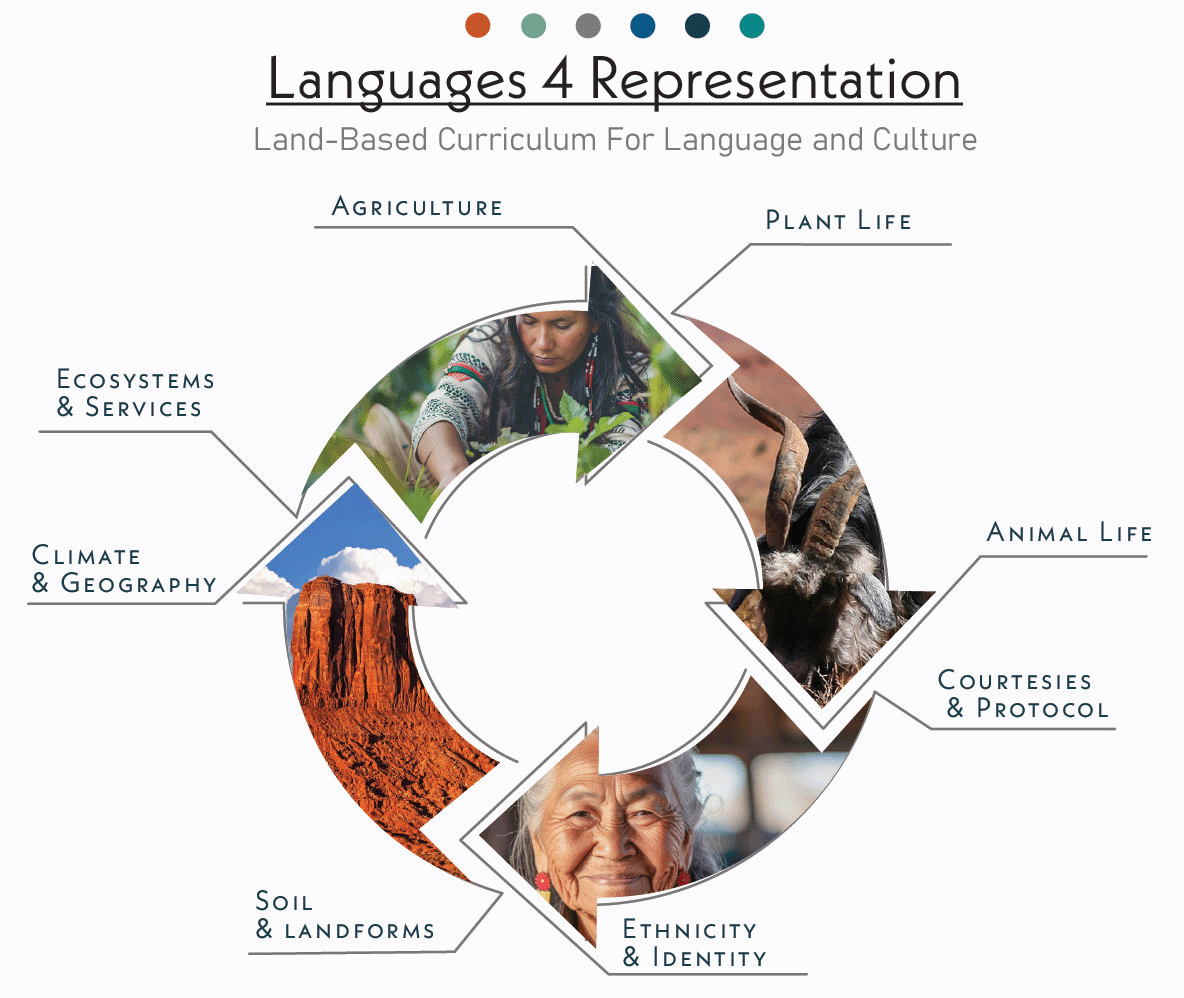
The scaffolded immersion pedagogy used in Languages 4 projects provides a supportive structure for students to acquire new skills and knowledge gradually. We break down complex language concepts into manageable segments, making learning more effective and engaging. Each lesson focuses on a functional element, starting with vocabulary acquisition followed by applied grammar practice, where students learn to form sentences. From there, they progress further to controlled dialogues culminating in action-oriented activities.
For each Languages 4 Indigenous Language project, the land-based educational content allows learners to engage with Indigenous thought systems and reclaim their connection to the land through language use.
There are three primary categories of representation:
Community Identity:
Exploring “who we are” through stories, songs, ceremonies, and daily and seasonal modes of communication provides a unique opportunity to combine the learning of a heritage language as a second language with practical and relational wisdom. The history, culture, and unique worldviews central to community identity must be more present in mainstream educational settings, particularly in public school curricula and English language educational materials.
Ecosystems and Stewardship:
Discovering nature’s networks through learning about local ecosystems, seasonal planting and harvesting calendars, and traditional uses of plants in medicines and foods offers sustainability and livelihood opportunities and Indigenous knowledge transfer. Learning the names of local trees, plants, and agricultural practices while incorporating them into beginner conversations can unify all ages in new ways. Discussions on co-existence and care for animals, including livestock and wildlife, also enrich language and tradition acquisition.
Ethics of Care and Respect:
Courtesies and protocols that showcase the ethics of care and respect for elders, the spiritual world, and nature can be integrated into language learning through vocabulary and conversation-building activities about greetings, ceremonies, and gift exchanges. These practices are foundational and reinforce the social fabric of communities. Including culturally relevant materials—like local stories, prayers, symbols, and vocabulary—can ensure that the language resonates with the students’ lived experiences and makes the lessons engaging and meaningful.
Connect With Us
Follow our journey, share your thoughts, and participate in the conversation. Let’s keep languages vibrant together.
Languages 4™ is more than a tool; it’s a partner in the mission of preserving and revitalizing Indigenous languages. We invite reach out to us explore how our platform can support your language teaching goals. [Join the Conversation 📩 Subscribe to our Newsletter ] and take a step towards sustaining the rich heritage of Indigenous languages.
Tagged:
By Lorelei O'Hagan
Related Articles

2024: A Renewed Commitment to Language Sovereignty and Revitalizing Indigenous Languages with Languages 4™
Join Languages 4 in embracing Indigenous language sovereignty for 2024. Discover our commitment to revitalizing and preserving ancestral languages and cultures

Revitalizing Indigenous Languages Through Storytelling and Ceremonial Practices
This article explores how Indigenous storytelling and ceremonial practices play a vital role in language revitalization, preserving cultural identity, and fostering community cohesion.

Voices Heard, Lessons Learned: One Year Into the Languages 4 Journey
Reflecting on a year of language reclamation efforts, Languages 4 shares key lessons, challenges, and future directions in their mission to empower Indigenous communities through language revitalization.