This article explores how Indigenous ecological wisdom, such as traditional land management and agricultural practices, can be integrated into language education to enhance cultural identity and environmental stewardship.
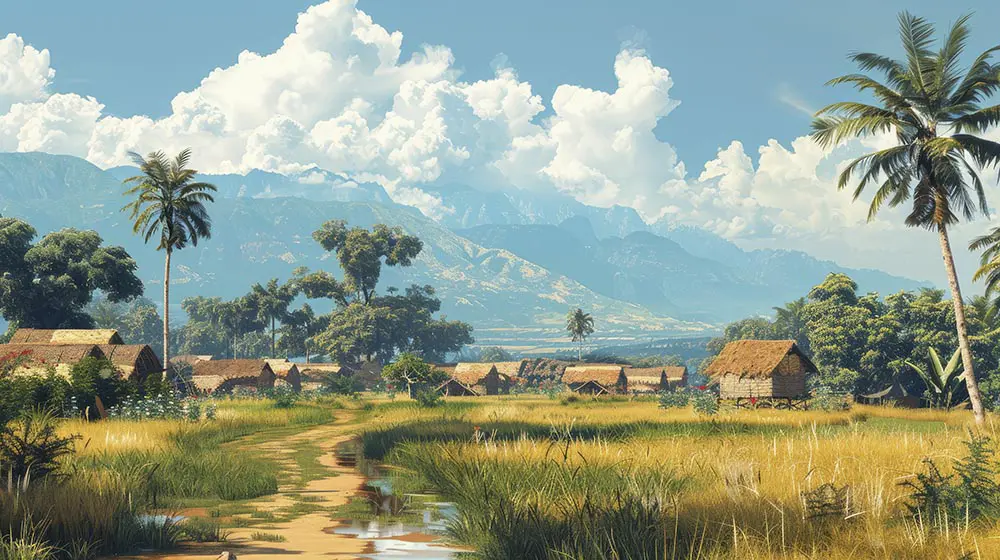
Examples of Tribes in Different Ecosystems:
1) The Northeastern Forests and the Iroquois:
The Iroquois traditionally utilized the abundant elm trees of the Northeastern forests to construct longhouses and create fortified structures, integrating their deep knowledge of local flora into their architecture and daily lives. Their sophisticated agricultural practices, such as cultivating the “Three Sisters” (corn, beans, and squash), demonstrate an early understanding of companion planting, crop rotation, and sustainable agriculture, which can be used as educational tools in language and cultural studies.
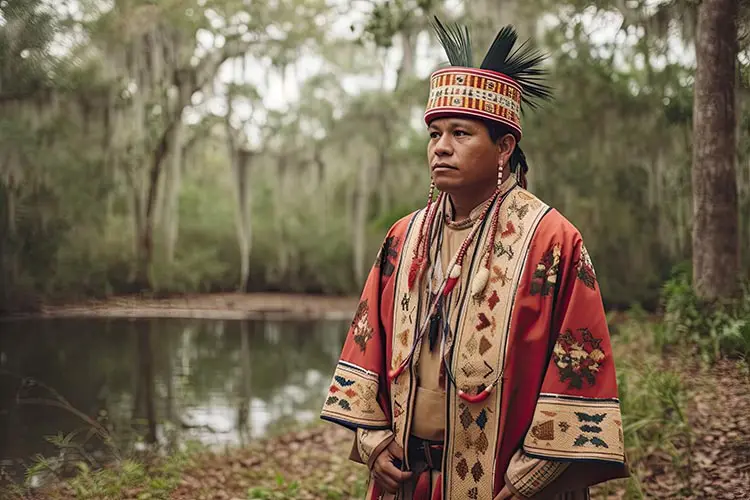
2. The Waterways of the Southeast Tribes:
Tribes in the Southeast, such as the Cherokee and Seminole, have historically lived in close connection with rivers and coastlines, using these ecosystems for sustenance, transportation, and irrigation. The rich biodiversity of these areas offers numerous linguistic and cultural learning opportunities, where language education can include the names and uses of aquatic and terrestrial species, traditional fishing techniques, and water conservation ethics.
3. Traditional Peach Orchards of the Navajo in Canyon de Chelly:
In the arid landscapes of the Southwest, the Navajo have long cultivated peach orchards that are not only sources of sustenance but also integral to cultural practices and ceremonies. Reagan Wytsalucy, a Navajo horticulturist, has been pivotal in restoring these traditional orchards, emphasizing the cultivation of native peach varieties known as “Diné didzétsoh.” This restoration work is a prime example of how Indigenous agricultural knowledge can be integrated into educational curricula. It offers a rich language and cultural education context that reinforces the Navajo’s deep connection to their land and heritage (Dolan et al., 2022).
Cultural Practices and Ecosystem Services:
Cultural Burning and Land Management:
Indigenous practices like cultural burning showcase sophisticated land management strategies that maintain ecological balances and enhance biodiversity. Teaching these practices within language education helps preserve the language and passes on crucial knowledge of sustainable living. Students learn the Indigenous terminology for ecological practices, deepening their understanding of how language and land stewardship are intertwined.
Integrating Ecosystem Knowledge into Language Learning:
Language as a Repository of Ecological Wisdom:
Indigenous languages are rich with vocabulary that describes the local environment, plant species, animal behavior, and weather patterns—information crucial for survival and sustainability. By integrating this vocabulary into language learning curricula, programs like Languages 4 help maintain the linguistic richness of Indigenous languages and ensure that ecological knowledge continues to be passed down through generations.
Enhancing Cultural Identity Through Ecological Contexts:
Using local ecosystems as contexts for teaching language allows students to connect more deeply with their heritage. Learning about traditional ecological knowledge and environmental ethics through language lessons enriches students’ linguistic skills and fosters a strong sense of identity and responsibility towards their land and community.
Conclusion
Integrating ecosystem knowledge into language education bridges the gap between linguistic skills and cultural identity, enhancing the educational experience by grounding it in the lived experiences of Indigenous communities. Programs like Languages 4 play a crucial role in this integration, promoting a curriculum that respects and reflects the intricate relationship between language, culture, and the environment. Through such educational initiatives, language learners comprehensively understand their heritage and the ecological wisdom that has sustained their communities for generations.
Reference:
Dolan, S., Wytsalucy, R., & Lyons, K. (2022). How a Navajo Scientist Is Helping to Restore Traditional Peach Horticulture. Park Science, 36(1)
Nyman, W. (2023). “How American Indians Adapted to Different Environments.” Study.com. Retrieved from “https://study.com/academy/lesson/how-american-indians-adapted-to-different-environments.html”
Connect With Us
Follow our journey, share your thoughts, and participate in the conversation. Let’s keep languages vibrant together.
Languages 4™ is more than a tool; it’s a partner in the mission of preserving and revitalizing Indigenous languages. We invite reach out to us explore how our platform can support your language teaching goals. [Join the Conversation 📩 Subscribe to our Newsletter ] and take a step towards sustaining the rich heritage of Indigenous languages.
Tagged:
By Tim O'Hagan
Related Articles
Embracing Ethics of Care and Respect in Indigenous Language Education
This article explores how integrating traditional courtesies and cultural protocols into Indigenous language education fosters ethics of care and respect, enhancing both learning outcomes and community cohesion.
Land-Based Education: Integrating Indigenous Knowledge and Language Revitalization
This article discusses how land-based education serves as a powerful framework for Indigenous language revitalization by integrating cultural identity, ecosystems, and the ethics of care and respect into the learning process.

Voices Heard, Lessons Learned: One Year Into the Languages 4 Journey
Reflecting on a year of language reclamation efforts, Languages 4 shares key lessons, challenges, and future directions in their mission to empower Indigenous communities through language revitalization.