This article explores how Indigenous storytelling and ceremonial practices play a vital role in language revitalization, preserving cultural identity, and fostering community cohesion.
Case Studies of Indigenous Communities
Several Indigenous communities have successfully leveraged their rich traditions of storytelling and ceremony to revitalize their languages. For instance:
- The Navajo Nation uses the oral recitation of traditional stories to teach younger generations both language and moral lessons. “Storytelling is part of the oral tradition of indigenous peoples,”…Stories impart values, language, memories, ethics, and philosophy, passing them to the next generation. Many people think storytelling is just entertainment for kids, but for the Diné, it helps maintain tradition and language.” (Tohe, 2006)
- The Cree people in Canada incorporate ceremonial songs performed during community gatherings, embedding language learning within a cultural and spiritual framework.
These examples illustrate how deeply language is intertwined with cultural practices, serving as a medium of communication and a repository of cultural knowledge.
Analysis of Songs, Myths, and Ceremonies
Songs, myths, and ceremonies are critical in maintaining language fluency and transferring knowledge. For instance:
- Many Lakota ceremonies uses the oral recitation of traditional stories to teach younger generations both language and moral lessons.
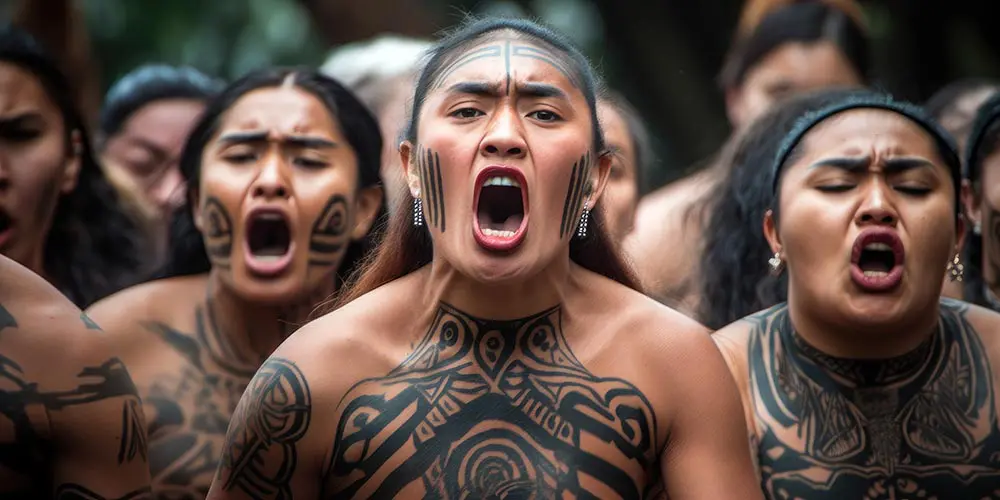
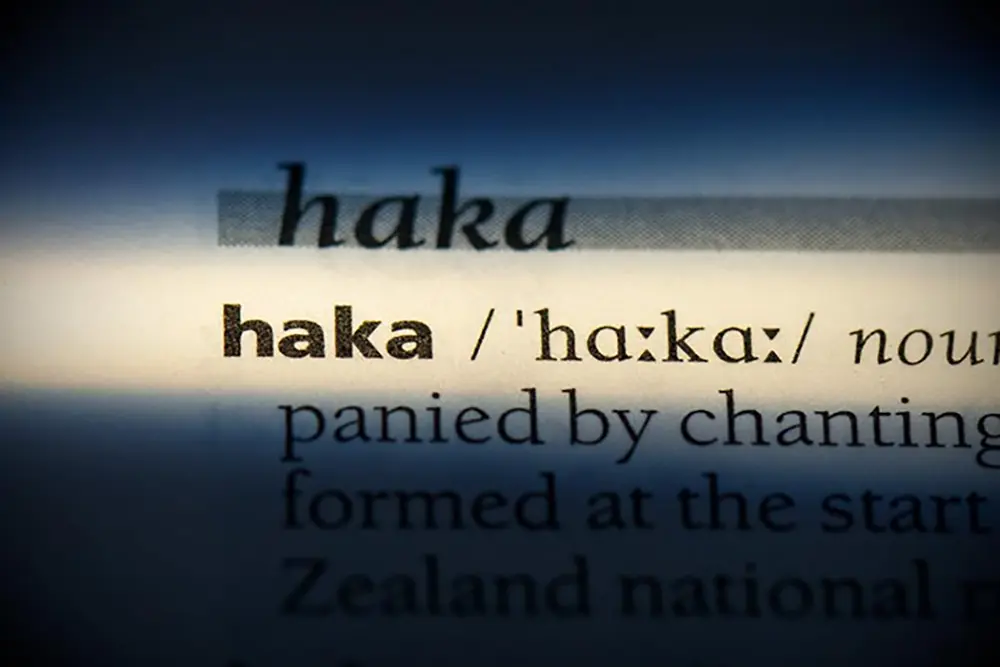
- The Maori of New Zealand celebrate their history and ancestors through the haka, a traditional dance that is as often appreciated as it is misunderstood by outsiders. “The Haka tradition is particularly interesting because it always involves two entities. It could be performed between opponents, as a sign of respect for a person or as a celebration. Additionally, it is also used as process of healing.” (ANJANASINGHWI, 2017)
These practices are pivotal in fostering a living connection to the language, making it relevant and vibrant for younger generations.
Cultural Identity and Language
Traditional narratives and rituals significantly strengthen community identity and cohesion. They are imbued with cultural and spiritual values that resonate deeply with community members, reinforcing the community’s self-perception and unity. Language is a vessel for historical knowledge and cultural wisdom, making it a critical component of community identity.
Integration of Cultural Elements in Language Learning
Languages 4™ addresses the challenges of preserving these traditions through innovative educational frameworks that integrate cultural identity and heritage into language instruction, For instance:
- Imagery and Iconography: Visual learning materials are imbued with cultural symbols and imagery that reflect the community’s heritage, making the language learning experience visually rich and culturally grounded.
- **Storytelling:**Traditional stories are woven into lesson plans to ensure that language learning is simultaneously an act of cultural transmission.
Multi-Generational Curriculum (Languages 4 Generations)
- Inclusive Learning: Designed to cater to learners from various age groups, ensuring that families can learn together, strengthening ties within the community and across generations.
- **Community Involvement:**Community members create and deliver the curriculum, ensuring that the educational content is authentic and respectful of the community’s linguistic and cultural nuances.
Adaptive Learning Methods
- Technology Integration: Incorporating modern technology into language learning, including digital storytelling and interactive apps, making learning engaging and accessible.
- Flexible Learning Environments: Offering various formats and platforms, from traditional classroom settings to online learning modules, accommodating the diverse needs of today’s learners.
Conclusion
Stories and ceremonies are foundational to sustaining Indigenous languages and identities. They teach language and imbue learners with a sense of their historical and cultural roots. By integrating these cultural elements into broader educational systems, including through innovative projects like Languages 4™, we ensure these traditions thrive and inspire future generations. This approach preserves linguistic heritage and enhances cultural understanding, making it a dynamic way to enrich our global cultural landscape.
Citations
Tohe, L. (2006, December 28). Storytelling helps preserve Navajo culture. Retrieved from https://news.asu.edu/20201228-storytelling-helps-preserve-navajo-culture
Singhwi, A. (2017, May 9). Action and Meaning: Examining the Haka tradition of the Maori people of New Zealand using the Circuit of Culture. Personal Blog Retrieved from circuit-of-culture-examining-the-haka-tradition-of-the-maori-people-of-new-zealand
Connect With Us
Follow our journey, share your thoughts, and participate in the conversation. Let’s keep languages vibrant together.
Languages 4™ is more than a tool; it’s a partner in the mission of preserving and revitalizing Indigenous languages. We invite reach out to us explore how our platform can support your language teaching goals. [Join the Conversation 📩 Subscribe to our Newsletter ] and take a step towards sustaining the rich heritage of Indigenous languages.
Tagged:
By Tim O'Hagan
Related Articles
Land-Based Education: Integrating Indigenous Knowledge and Language Revitalization
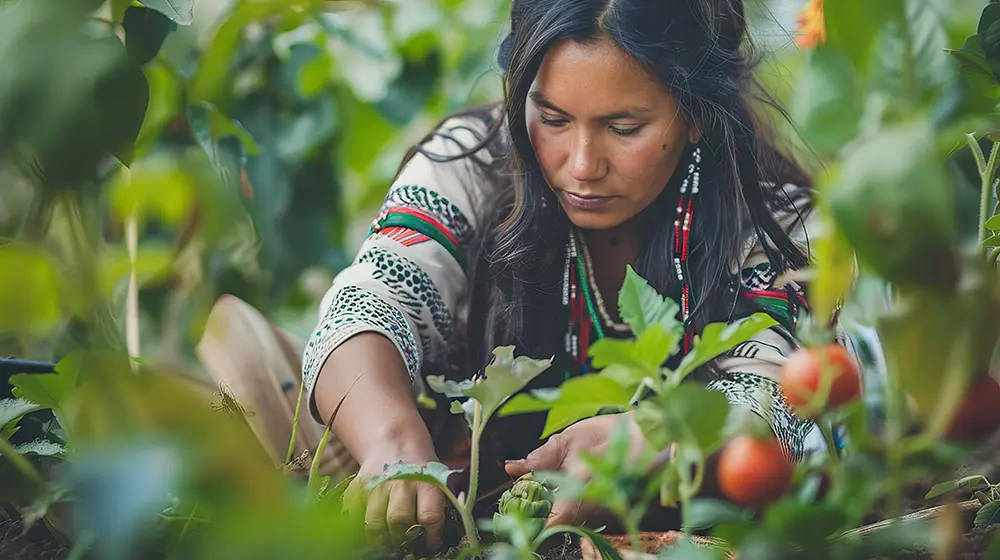
This article discusses how land-based education serves as a powerful framework for Indigenous language revitalization by integrating cultural identity, ecosystems, and the ethics of care and respect into the learning process.

The Integration of Traditional Navajo Horticulture into Language and Cultural Education
This article explores how traditional Navajo horticultural practices, especially peach orchards at Canyon de Chelly, are being revived and integrated into language and cultural education, bridging past and present to nourish future generations.
2024: A Renewed Commitment to Language Sovereignty and Revitalizing Indigenous Languages with Languages 4™
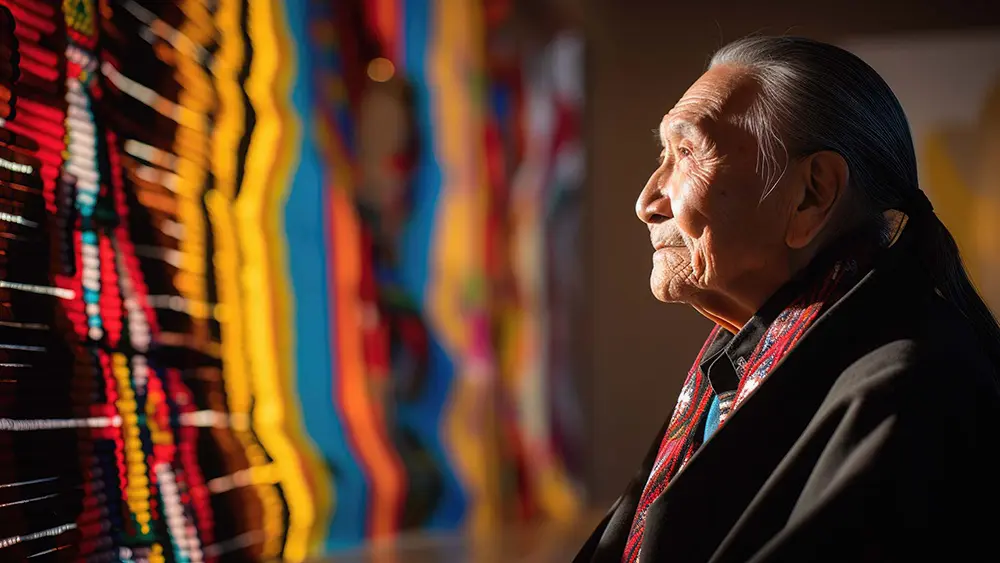
Join Languages 4 in embracing Indigenous language sovereignty for 2024. Discover our commitment to revitalizing and preserving ancestral languages and cultures