This article explores the significance of Indigenous representation in language revitalization. It emphasizes the importance of culturally relevant teaching methods and discusses how Languages 4™ integrates Indigenous culture into language learning to foster positive identity, belonging, and engagement among learners.

The Elephant in the Room
The global approach to language teaching brings diverse vocabulary, often irrelevant to the local Indigenous culture. A Diné child, surrounded by the vast landscapes of the American Southwest, might question the relevance of learning about elephants and tigers, especially when horses, wolves, and coyotes have a direct cultural and ecological resonance. It’s a subtle yet profound misalignment, akin to teaching a fish about tree climbing. But the ramifications go deeper than just inefficacy. The absence of cultural context in the curriculum can be belittling, even demeaning. It signals a more significant problem: the erasure of their unique identity.

The Intertwining of Language, Culture, and Identity
Language embodies culture, reflecting a community’s history, ethos, and worldview. The way we talk about our environment, the stories we tell, and the names we give to places and animals root us to our heritage. When Indigenous learners see themselves and their immediate surroundings reflected in their learning, it fosters a positive self-worth.
In 2007 the United Nations, recognizing the importance of cultural identity and its intimate ties to language and education, adopted a Declaration of the Rights of Indigenous Peoples. As the declaration articulates, “Indigenous peoples have the right to revitalize, use, develop and transmit to future generations their histories, languages, oral traditions, philosophies, writing systems and literatures…” Furthermore, it underscores that Indigenous communities “have the right to establish and control their educational systems and institutions providing education in their own languages, in a manner appropriate to their cultural methods of teaching and learning.” 1
Indeed, Representation matters not just for cultural preservation but also for cultivating a positive identity. Gilbert aptly comments, “When the current educational system ignores American Indian students’ own traditional teachings nurtured in the home and within the local community, the educational system has lost a valuable educational tool to augment the existing curriculum.” 2 It’s a sentiment that underscores the importance of culture and language in shaping identity, community connection, and well-being.
Languages 4™ Prioritizes Representation
Understanding the need for culturally relevant teaching, Languages 4™ adopts a representative approach. With projects like Languages 4 Mohawk, the curriculum is populated with local images, locations, and elements from the community. Instead of generic characters, it showcases diverse figures that learners can relate to, promoting a sense of belonging and validation.
These tailored solutions have a profound impact. With familiar elements, learning becomes more engaging, relevant, and effective. It shifts from mere academic pursuit to an intimate journey of self-discovery and connection to one’s roots.
Safeguarding the Tapestry of Culture and Language
Languages 4™ doesn’t just stop at integrating local elements. Recognizing that positive identity is tied to a holistic understanding of one’s culture ensures learners feel connected and represented at every stage. As learners navigate the Languages 4™ platform, they don’t just learn a language; they embrace a culture, rekindling connections that have been dimmed by time and modernity.
Act Now for a Representative Revival
As we aim to actively participate in the revival of Indigenous languages, we must ensure that our methods are in tune with the hearts and minds of our learners. With Languages 4™, we offer a platform and strategies that reflect the priorities and culture of Indigenous communities.
If you’re seeking a solution that respects, understands, and uplifts your community’s unique linguistic and cultural identity, schedule a conversation with Languages 4™ today.
References:
(1) United Nations. (2007). Declaration on the Rights of Indigenous Peoples. Retrieved September 2, 2013, from http://www.un.org/esa/socdev/unpfii/en/drip.html
(2) Gilbert, W.S. (2011). Developing culturally based science curriculum for Native American classrooms. In J. Reyhner, W.S. Gilbert & L. Lockard (Eds.), Honoring our heritage: Culturally appropriate approaches for teaching Indigenous education (pp. 43–55). Flagstaff, AZ: Northern Arizona University
Tagged:
By Tim O'Hagan
Related Articles
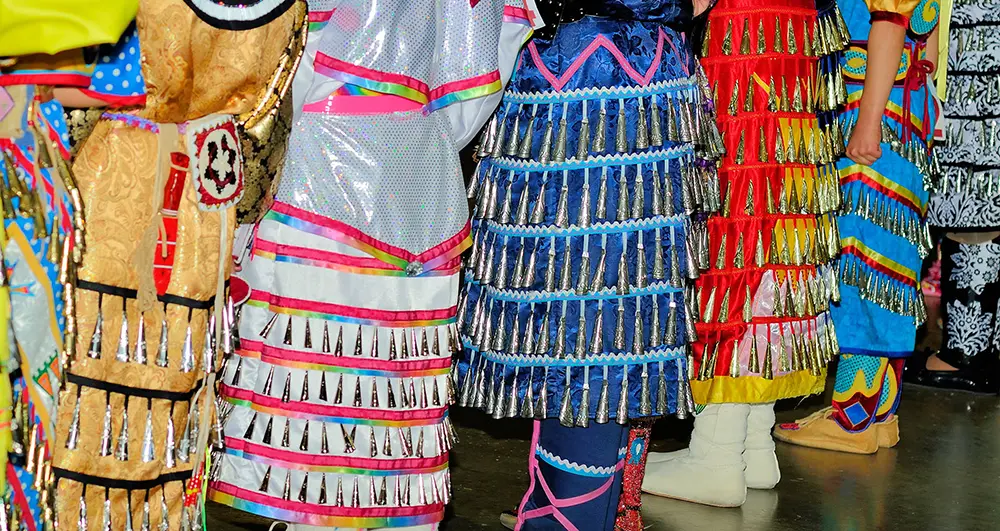
Harnessing Indigenous Language Revitalization for Pride, Health, and Cultural Enrichment
This article explores the role of Indigenous language revitalization in fostering cultural pride, mental health, and personal happiness, using community-tailored projects to promote connection and well-being.
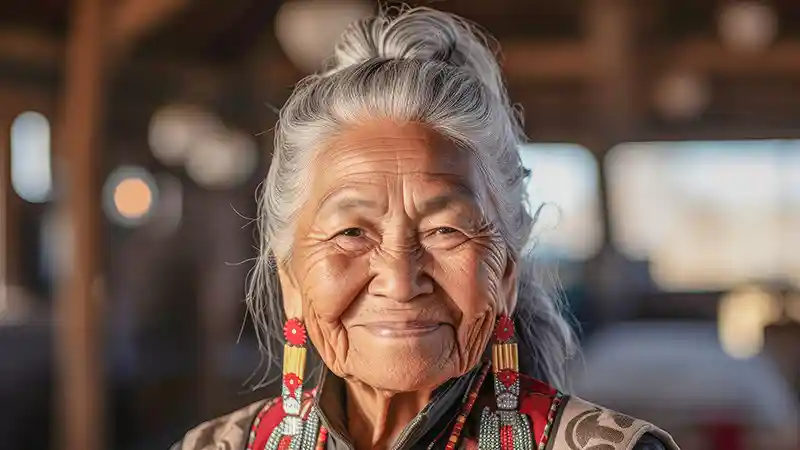
Empowering Elders and Keepers of Indigenous Language: Languages 4™ Instruction Strategies and Support
This article highlights the strategies and resources provided by Languages 4™ to support Indigenous Elders and native speakers in transferring their linguistic heritage. It covers structured lesson sequencing, pre-teaching tools, printable resources, gamified learning, and tailored support for empowering these invaluable community members.
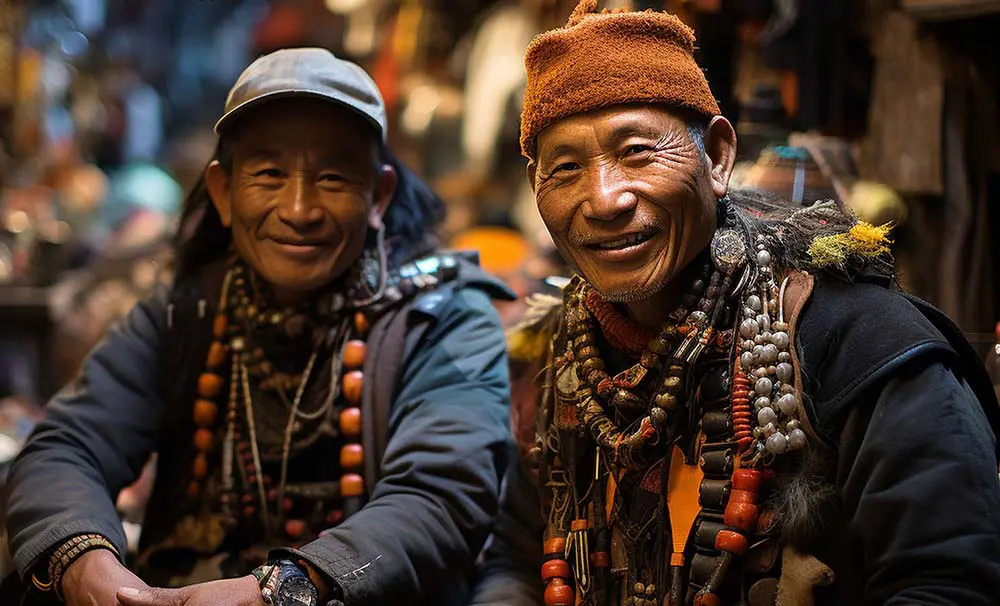
Communicative Approach In Focus | The Instructional Backbone of the Languages 4™ Mission
Dive into Languages 4™, where the Communicative Approach brings language to life! Engage in real-world scenarios, explore cultural relevance, and become a storyteller of Indigenous traditions. Join...