Explore how the Land Back movement empowers Indigenous language revitalization, reclaiming culture and identity. Learn how land justice shapes sovereignty.
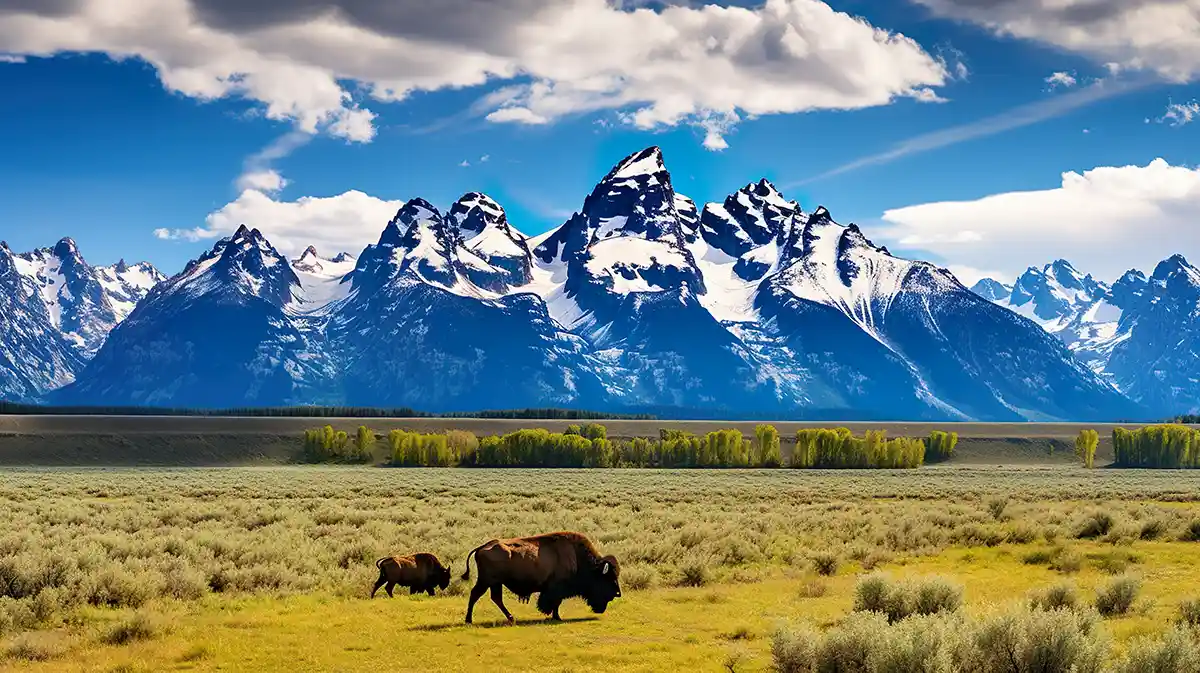
A family of bison moves across the plain under the Grand Teton Mountain Range, By Damerfie
Land Back: More Than Just Land, It’s About Justice
People who hear “Land Back” might picture Indigenous nations reclaiming physical territory. But this movement runs deeper than land ownership—it’s about sovereignty, cultural resurgence, and justice.
For Indigenous communities, getting land back means restoring governance, protecting ecosystems, and bringing back languages and traditions that were systematically eroded through colonial policies. It’s about reconnecting with what was always theirs and ensuring future generations can thrive on their terms.
Indigenous nations retain control over just a tiny fraction of their ancestral territories today. Meanwhile, governments and corporations profit off lands that were taken through broken treaties, forced removals, and land theft.
So, what is the Land Back movement?
What Does “Land Back” Mean?
At its core, the Land Back movement is about returning Indigenous lands to Indigenous governance. It doesn’t just mean transferring property deeds—it’s about reviving Indigenous knowledge systems, cultural practices, and governance structures that have sustained these lands for thousands of years.
The Yellowhead Institute’s Red Paper lays out what Land Back means: reclaiming not just land but also the rights and responsibilities that come with it. It’s about ensuring Indigenous nations—not colonial governments—decide and manage what happens on their lands.
This also means dismantling the legal and political frameworks that enabled land theft in the first place—things like the Doctrine of Discovery (a colonial-era claim that Indigenous lands were “empty” and free for the taking), forced assimilation policies, and economic systems that put profit over people.
**Put simply,**Land Back challenges the structures that allowed Indigenous dispossession in the first place. It’s about respect, equity, and justice.
How Unequal Is Land Ownership? A Reality Check
Land distribution in North America paints a stark picture of colonial history.
In the United States:
- The federal government controls 640 million acres (about 28% of the country).
- These lands are managed by agencies such as the Bureau of Land Management (BLM), the U.S. Forest Service, and the National Park Service.
- Indigenous nations hold around 56 million acres of surface land—just 2.3 percent of the total land in the U.S.
- Even this land isn’t entirely under tribal control. It’s held “in trust” by the U.S. government, which limits sovereignty and economic independence.
In Canada:
- An estimated 89% of the land is Crown land, meaning federal and provincial governments control it.
- That leaves just 11% as private land, with only a tiny fraction designated Indigenous reserve land.
- Many reserves are remote, underdeveloped, and lacking basic infrastructure—yet another colonial tactic designed to push Indigenous nations to the margins.
This dispossession of land isn’t just a historical injustice—it’s an ongoing reality that continues to impact Indigenous economies, governance, and cultural survival today.
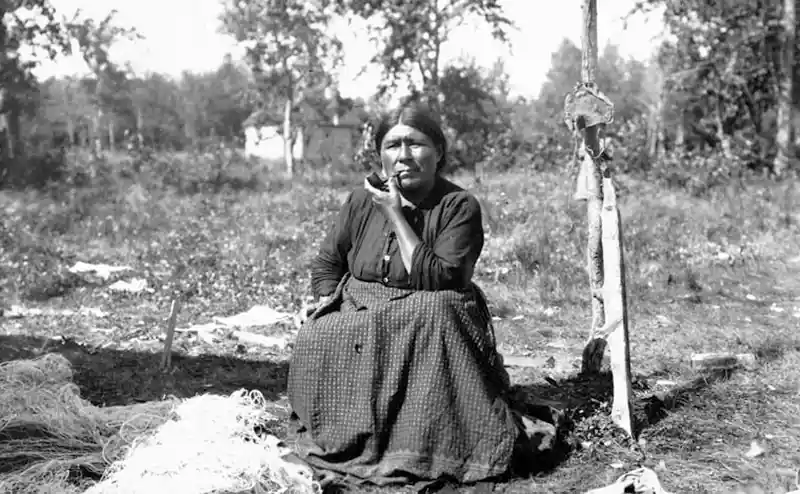
A First Nations woman smoking a pipe, taken close to what is currently Manitoba, CA. c1900-1910
The Connection Between Land and Language
For Indigenous communities, land isn’t just a physical space—it’s the foundation of identity, culture, and language. Place names, seasonal activities, and environmental knowledge are all woven into Indigenous languages. When land is lost, those connections unravel.
Imagine teaching a language meant to be spoken on the land—when there is no access to that land. Words for rivers, mountains, and ceremonies lose their everyday relevance when those places are out of reach. That’s why land reclamation and language revitalization go hand in hand.
Getting land back isn’t just about having a place to live—it’s about reclaiming the full context of Indigenous languages, ensuring they can be lived, experienced, and passed on from one generation to the next, not just studied in a classroom.
How Colonization Led to Language Loss
Colonial policies weren’t just about taking land—they were about breaking Indigenous identities.
- Residential schools (Canada) and boarding schools (U.S.) forced Indigenous children to stop speaking their languages, stripping them of their cultural connections.
- The Dawes Act (U.S.) divided Indigenous lands into small allotments, then sold off “surplus” land to settlers—weakening tribal governance and displacing communities.
- Indigenous nations hold around 56 million acres of surface land—just 2.3 percent of the total land in the U.S.
- The Indian Act (Canada) imposed laws that restricted Indigenous cultural practices, dismantled traditional governance, and controlled Indigenous economies.
These policies weren’t random. They were designed to sever Indigenous peoples from their lands, cultures, and languages—making it easier for colonial governments to control and resettle the land.
The result? There was a devastating decline in Indigenous language speakers, governance structures that were forcibly replaced, and generations disconnected from their heritage.
Final Thought
For Indigenous peoples, land is more than soil and trees—it’s language, culture, identity, and sovereignty. The Land Back movement is about restoring what was taken, rebuilding what was broken, and ensuring Indigenous hands shape Indigenous futures.
Key Resources and Research on Land Back & Language Revitalization
1️⃣Government Policies & Land Reclamation Reports
- 📌 Yellowhead Institute Red Paper Report – Analyzes land dispossession and Indigenous governance.
- 📌 Congressional Research Report on Indigenous Land Rights – U.S. federal policies on land restitution.
- 📌 Denial of Indigenous Land Rights – Examination of historical and modern challenges to Land Back efforts.
- 📌 Dawes Act - Wikipedia – Overview of the U.S. policy that divided Indigenous lands and sold off “surplus” lands.
- 📌 Indian Act - Wikipedia – Overview of the Canadian law governing Indigenous lands and sovereignty.
2️⃣ Historical & Legal Analysis
- Stuart, Paul. “United States Indian Policy: From the Dawes Act to the American Indian Policy Review Commission.” Social Service Review, vol. 51, no. 3, 1977, pp. 451–63. JSTOR (📌 http://www.jstor.org/stable/30015511)
- Neville, Alan L., and Alyssa Kaye Anderson. “The Diminishment of the Great Sioux Reservation: Treaties, Tricks, and Time.” Great Plains Quarterly, vol. 33, no. 4, 2013, pp. 237–51. JSTOR. (📌 http://www.jstor.org/stable/24467580)
- Ah. “Infamous Indian Act.” Off Our Backs, vol. 11, no. 2, 1981, p. 5. JSTOR.(📌 http://www.jstor.org/stable/25793573)
- Ojha, Archana. “Trail of Tears: Looking at Indigenous History of Canada (17th to 19th Centuries).” Proceedings of the Indian History Congress, vol. 64, 2003, pp. 1272–80. JSTOR.(📌 http://www.jstor.org/stable/44145555)
Connect With Us
Follow our journey, share your thoughts, and participate in the conversation. Let’s keep languages vibrant together.
Languages 4™ is more than a tool; it’s a partner in the mission of preserving and revitalizing Indigenous languages. We invite you to reach out to us and explore how our platform can support your language teaching goals. [Join the Conversation 📩 Subscribe to our Newsletter ] and take a step towards sustaining the rich heritage of Indigenous languages.
Tagged:
By Lorelei O'Hagan
Related Articles
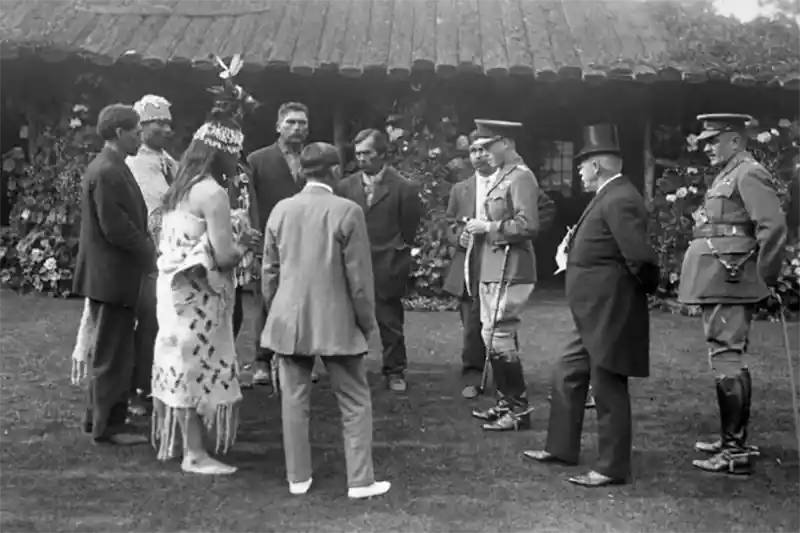
Land Back and Reclamation: Language Sovereignty
Explore how Indigenous communities reclaim language as identity, governance, and sovereignty—reviving culture through education, technology, and self-determination.
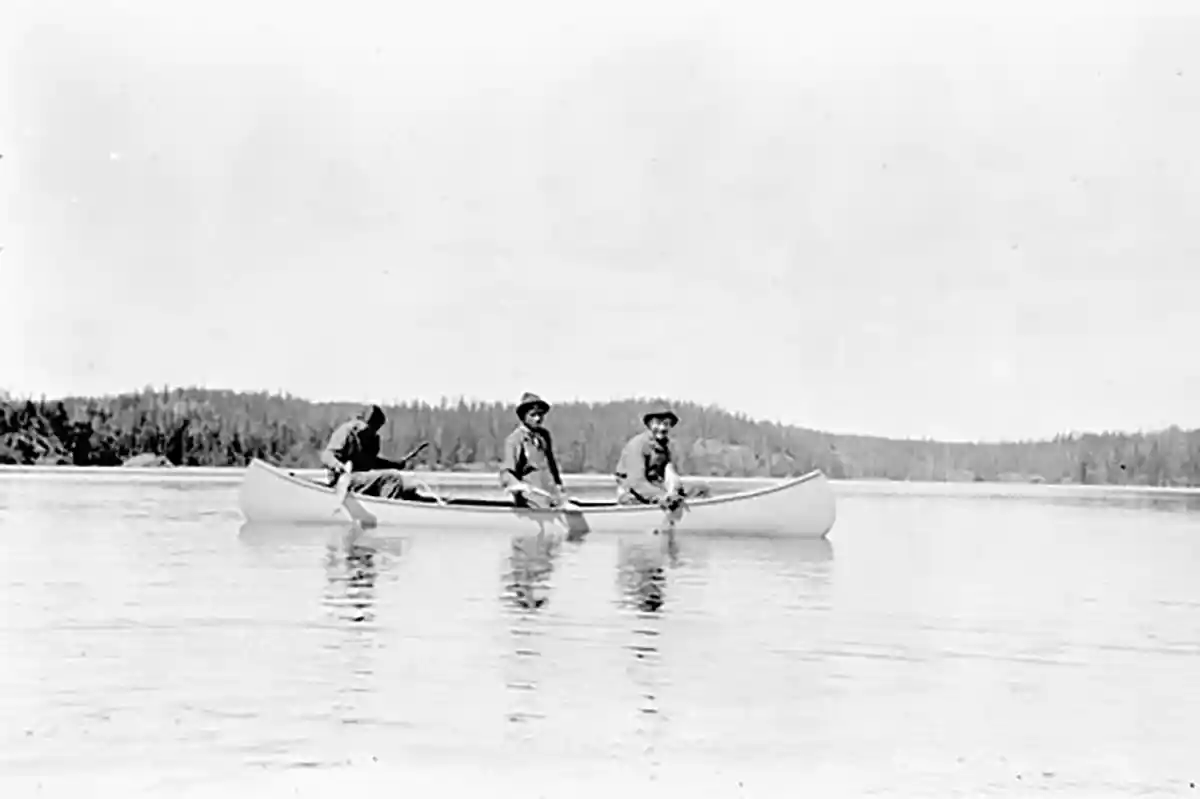
Land as the First Classroom: How Language and Ecology Are One
Explore the deep connections between Indigenous languages and ecological knowledge, highlighting the Gwich’in and W̱SÁNEĆ Nations' efforts in language revitalization through land-based learning.
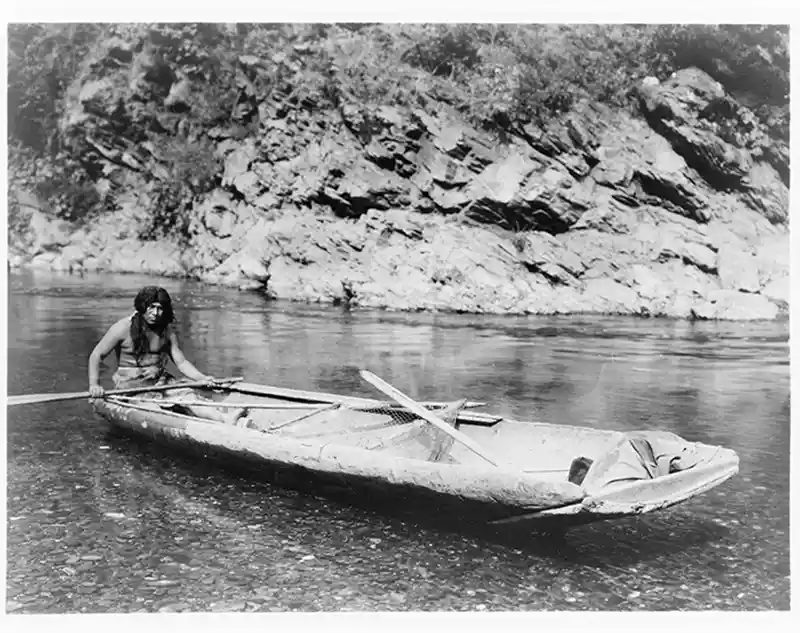
Building the Future: Indigenous-Led Land Back Success Stories
This article explores how returned Indigenous lands are being used to revitalize language, restore governance, and rebuild culture, with success stories from the Winnebago, Salish-Kootenai, and Yurok Nations.